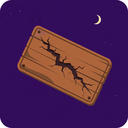
A sign outside a cartoon DMV just became the most shared Simpsons joke of 2026. It reads "VISIT OUR WEBSITE AT our-website-is-broken.org", and people cannot stop posting it. The funny thing is that this did not come out of nowhere. The Simpsons has been making jokes about the internet, websites and bad technology for over twenty-five years, and the DMV sign is the latest in a long, proud line.
It started with Homer's own website
The landmark episode is "The Computer Wore Menace Shoes", from season 12, first aired on December 3, 2000. Homer, the only man in Springfield without a computer, buys one after missing a work email, builds his own webpage, and starts posting town gossip under the name "Mr. X". The site exposes real scandals, wins him a Pulitzer Prize, and then it all collapses when he starts inventing stories to keep the traffic coming.
Strip away the cartoon plot and that episode is a startlingly early sketch of the modern internet: anonymous publishing, traffic chasing, the slide from real news into made-up content. The Simpsons was joking about websites when most of its audience still connected through dial-up. The show understood, very early, that the funniest thing about a website is usually the gap between what it promises and what it does.
Why a real-looking URL changes the joke
For years, the show's internet humour lived inside the screen. The DMV gag in Treehouse of Horror XXXVII works differently, and our breakdown of the sign scene looks at the mechanics in detail. The sign uses an address that follows the pattern of a real municipal website, so the joke continues after the episode ends. You can type it in. Thousands of people did.
And the address delivers. The real page, which we visited for our homepage guide to the gag, is a black screen that says "D'oh" next to a donut emoji, with the description line "We're working on it." The joke has three acts: the sign, the search, and the payoff. Traditional gags only get the first one.
Why government website jokes always land
There is a reason the target here is a licensing office and not, say, a pizza chain. A pizzeria with a broken website loses your order and you phone them instead. A government office with a broken website loses your afternoon, because there is no alternative. You cannot renew your licence at a competitor. The queue is the product, and the website is the queue wearing a costume.
That shared helplessness is universal in a way few joke topics are. Tax portals, benefits systems, visa appointments, exam results: every country has its own version, and every adult has a story. When Springfield's DMV admits on a permanent outdoor sign that its website is broken, it is not really joking about Springfield. It is joking about every office that has ever shown you a spinner for forty minutes and then logged you out.
The honesty does the rest. Real institutions almost never say "our website is broken". They say "scheduled maintenance", "high demand", "an improved experience is coming". The sign's bluntness is the fantasy: a bureaucracy that simply tells you the truth. People did not share the screenshot because it was cruel about the DMV. They shared it because it was the most honest sentence ever attributed to one.
The captions finished the job
One last ingredient deserves credit: the audience. The screenshots that spread on 9gag and social media came dressed in warnings: "don't visit it", "don't double click", "you have been warned". None of that is in the episode. Fans added a layer of mock-danger that turned a sight gag into a dare, and a dare is the most shareable format the internet has. The show planted the address. The captions made checking it feel forbidden. Between the two of them, a background sign got more reach than most marketing campaigns manage on purpose.
The sign joins the tradition
Put it together: a show that has been needling the internet since Homer's Mr. X page in 2000, a fake-but-real address that rewards you for checking, and a target everyone on earth has a grievance with. That is why a two-second background gag from the third segment of the Halloween special outperformed the episode's own guest stars on social media.
The tradition will continue, because the material renews itself. Websites will keep breaking, offices will keep posting cheerful lies about it, and somewhere in Springfield there is a sign waiting to tell the truth again.